

The Role of Luck in Gambling
Luck is often considered a central factor in the experience of gambling at casinos, especially when comparing different options like betting sites and traditional games. While skill and strategy play important roles in various games, the inherent randomness associated with many casino activities underscores the unpredictable nature of luck. When a player sits down at a slot machine or a poker table, they are entering a world where outcomes can swing dramatically from one moment to the next, often dictated by chance. This unpredictability can generate excitement and anticipation, making each session a unique experience. Players often find themselves on a rollercoaster of emotions, which can be both thrilling and unnerving.
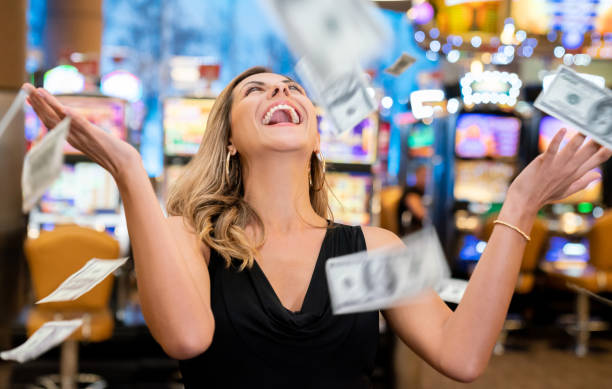
The allure of luck also invites an emotional component to gambling. Players may feel euphoric with a winning streak, attributing success to their fortunes. Conversely, losing streaks can lead to frustration and disappointment, often directing players to rethink their strategies or reconsider their luck. This emotional rollercoaster is a significant aspect of the casino experience, where players constantly seek to harness good fortune while navigating the inherent risks of gambling. It’s this emotional ebb and flow that keeps many players coming back, eager to chase that elusive lucky break.
Moreover, luck’s influence extends beyond just individual games. It can shape the overall casino environment, affecting how players interact with each other and their decisions on whether to continue playing. A particularly lucky player can change the atmosphere, fostering camaraderie among onlookers who cheer for their success. This social dynamic is an essential feature of many casinos and contributes to the thrill of gambling, as luck captivates and engages an entire community of players. A room filled with excitement can amplify the feeling of luck, creating a shared experience that elevates the enjoyment of the games.
Psychological Effects of Luck on Players
The psychological impact of luck in gambling is profound and multifaceted. For many players, the belief in luck can heavily influence their gambling behaviors, leading to various cognitive biases. For instance, the «gambler’s fallacy» suggests that players might believe if they have experienced bad luck recently, good fortune is due to come their way. This misconception can lead to risky behaviors and prolonged play, as individuals chase the elusive feeling of a big win. As a result, players may find themselves investing more time and money into gambling, driven by hope rather than reason.
Additionally, superstitions and rituals often arise among gamblers, further illustrating how luck affects their mindset. Players may have specific routines they believe improve their odds, such as wearing lucky clothing or using certain tokens. These practices reflect a deep-seated desire to control the uncontrollable. The rituals become a part of the gambling experience, providing comfort and a sense of agency in an environment defined largely by chance. Such behaviors highlight the intersection of psychology and luck, as players create personal narratives to justify their actions and enhance their enjoyment.
Furthermore, the role of luck can sometimes lead to addiction or problematic gambling patterns. The unpredictable nature of luck can keep players returning to casinos, driven by the hope of hitting a jackpot or experiencing a lucky day. Understanding the psychological effects of luck is crucial for both players and casino operators, as it highlights the need for responsible gambling and awareness of how emotions can drive decision-making in high-stakes environments. Creating a supportive environment where players can reflect on their behaviors may mitigate some of the adverse effects associated with gambling.
The Influence of Luck on Game Selection
Luck significantly affects how players choose which games to engage with in a casino. Many gamblers gravitate toward games that emphasize chance rather than skill, such as slots and roulette. These games are designed with random outcomes, appealing to those who believe that luck is the primary determinant of success. The simplicity and ease of these games often draw in new players who feel more comfortable relying on luck rather than developing complex strategies. For these players, the thrill comes from the hope that luck will favor them in the next spin or roll.
On the other hand, table games like blackjack or poker incorporate elements of skill, yet even these games can be heavily influenced by luck. For example, a player may use strategies to minimize house edges, but the cards dealt are ultimately random. This interplay between skill and luck can create a nuanced experience for players, prompting them to assess their own abilities against the whims of fortune. Consequently, players may feel a sense of empowerment when they can influence the outcome to some degree, even if luck remains a significant factor.
Moreover, the perceived luck of a game can affect player behavior and participation. For instance, if a particular slot machine has a reputation for being «lucky,» players may flock to it, hoping to replicate others’ successes. This phenomenon can generate a self-fulfilling cycle, where the popularity of a game increases its perceived luck, further attracting players. Understanding these dynamics is essential for casinos, as they can tailor their offerings to enhance the player experience while encouraging responsible gambling practices. By promoting games that create a sense of luck, casinos can foster a more engaging atmosphere for players.
Strategies to Enhance the Luck Factor
While luck plays a pivotal role in gambling outcomes, players often seek ways to enhance their perceived luck. Some strategies include choosing games with better odds or higher payout percentages. While this does not guarantee a winning experience, being informed about the games and their statistical advantages can make players feel more empowered, thereby improving their overall experience. Players might also leverage bonuses and promotions offered by casinos, which can provide additional chances to play and potentially win. Utilizing these offers strategically can effectively increase overall gaming enjoyment.
Another approach is to set personal limits regarding time and money spent gambling, which can indirectly influence how players perceive their luck. By establishing these boundaries, players can avoid chasing losses or getting caught in the emotional highs and lows associated with fluctuating luck. This conscious approach can transform the gambling experience into a more enjoyable and less stressful activity, allowing players to appreciate the moments of luck that come their way. Recognizing when to walk away can also reinforce a healthier relationship with gambling.
Additionally, engaging with fellow players and sharing stories of luck can amplify the overall experience. Community games or tournaments often generate a sense of collective excitement, as players root for one another while relying on individual luck. These social elements can enhance the overall casino atmosphere, making players feel more connected and invested, thus enriching their gambling experience through shared belief in the power of luck. This camaraderie can create lasting memories, making the casino visit not just about the games, but about the friendships and experiences forged along the way.
Understanding the Casino Environment
The casino environment itself plays a crucial role in shaping the player’s perspective on luck and gambling. The design and ambiance of a casino are carefully crafted to maximize player engagement, with bright lights and engaging sounds designed to evoke feelings of excitement and anticipation. This carefully constructed environment can lead players to associate these sensory experiences with good luck, influencing their overall enjoyment and interaction with the games. The atmosphere can elevate a player’s mood and sense of possibility, contributing to a memorable experience.
Furthermore, casinos often use promotional tactics to foster a sense of luck among players. From free spins on slot machines to promotional jackpots, these strategies create an environment where players feel that luck is just around the corner. This perception can lead to enthusiastic participation, making the casino experience more engaging and satisfying. The excitement of potential wins can transform a routine visit into a thrilling adventure, where the next big win feels imminent and achievable.
Lastly, understanding how luck is framed within the casino context is vital for players. Many casinos emphasize the randomness and unpredictability of game outcomes while also encouraging responsible gambling practices. This balance allows players to enjoy the thrill of luck without losing sight of the importance of moderation. Creating awareness around luck in relation to gambling can enhance the player’s experience, ensuring that they appreciate the highs while managing potential lows responsibly. By cultivating a balanced perspective on luck, players can enjoy their time at the casino while maintaining control over their gambling habits.


